
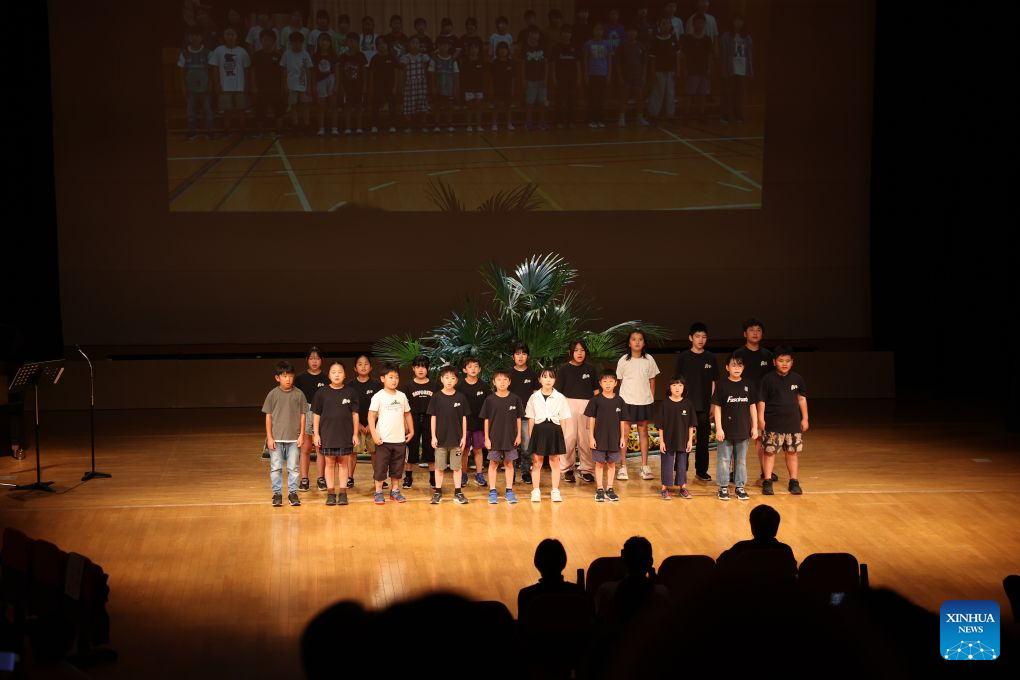
This photo taken on July 26, 2026 shows a scene during a memorial ceremony commemorating Chinese, Korean Peninsula and other foreign laborers who died during the construction of the Sagami Lake reservoir, in Kanagawa Prefecture, Japan. More than 200 people, including officials from China, South Korea and Japan, as well as local residents, attended the annual event at the Sagamiko Exchange Center honoring those who lost their lives while working on the reservoir project.(Xinhua/Yue Chenxing)
TOKYO, July 27 (Xinhua) -- A memorial ceremony was held Sunday in Japan's Kanagawa Prefecture to commemorate Chinese, Korean Peninsula and other foreign laborers who died during the construction of the Sagami Lake reservoir.
More than 200 people, including officials from China, South Korea and Japan, as well as local residents, attended the annual event at the Sagamiko Exchange Center honoring those who lost their lives while working on the reservoir project.
Kang Xiaolei, counselor at the Chinese Embassy in Japan, said at the ceremony that Japan's war of aggression against China brought immense suffering to the Chinese people, and the forced conscription of laborers was among its grave wartime crimes.
Kang said that right-wing forces in Japan have sought to deny, distort and even glorify the country's wartime aggression, while accelerating a shift in Japan's security policy toward a more offensive posture and openly discussing revisions to the country's long-standing Three Non-Nuclear Principles.
Such developments, Kang said, have raised concerns and drawn strong condemnation from the international community, including Japan's Asian neighbors.
Noting that this year marks the 80th anniversary of the opening of the Tokyo Trial, Kang said the landmark trial established the criminal responsibility of Japanese militarism. China stands ready to work with peace-loving people in Japan to remember history, safeguard peace, and oppose attempts to distort history or undermine peace, Kang added.
Toshiko Hashimoto, president of the Sagami Lake Reservoir Historical Record Association, said the memorial aims to help people understand the history of the reservoir's construction, particularly by informing younger generations in Japan about the forced mobilization of laborers from China and other countries.
Constructed between 1940 and 1947, the Sagami Reservoir is Japan's first multipurpose artificial lake. To build the reservoir, Japan requisitioned about 3.6 million laborers, including nearly 300 Chinese forcibly taken to Japan by the Japanese invaders.
Many laborers died as a result of extremely harsh working conditions and inhumane treatment. Historical records identify 28 Chinese victims by name. Since 1979, Japanese civic groups and concerned citizens have held annual memorial events to commemorate the dead laborers. ■
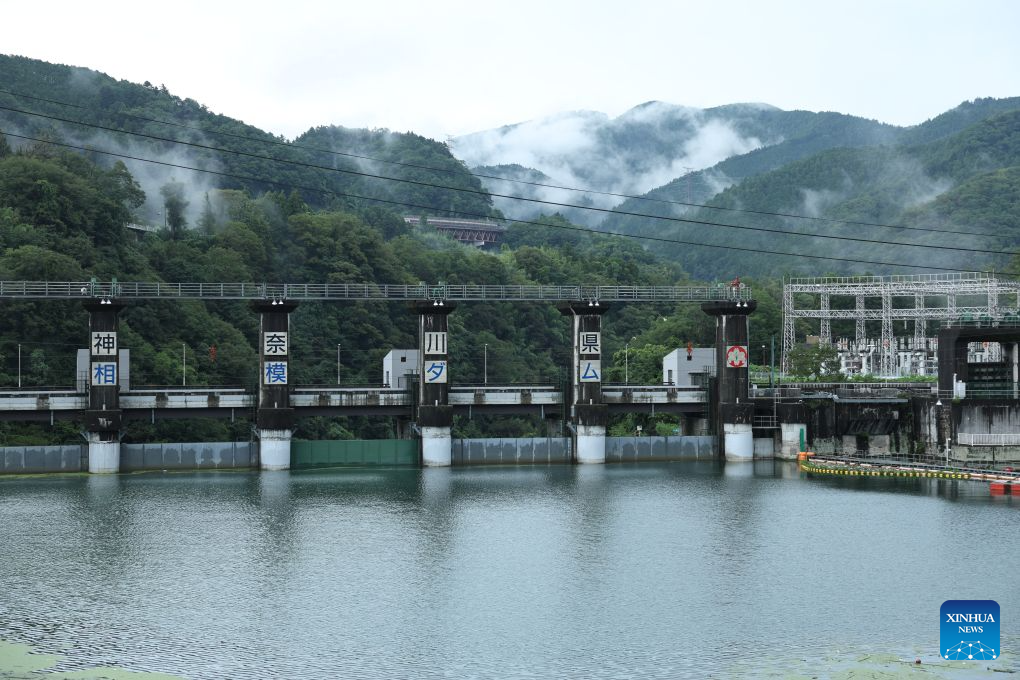
This photo taken on July 26, 2026 shows a view of the Sagami Reservoir in Kanagawa Prefecture, Japan. More than 200 people, including officials from China, South Korea and Japan, as well as local residents, attended the annual event at the Sagamiko Exchange Center honoring those who lost their lives while working on the reservoir project. (Xinhua/Yue Chenxing)
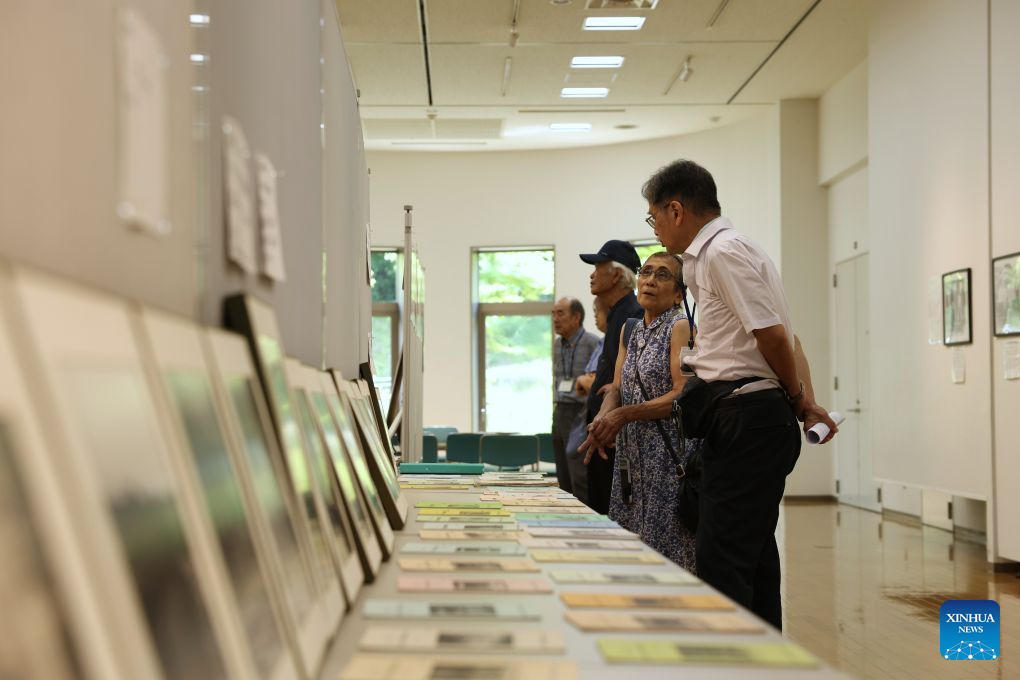
People visit an exhibition on the construction of the Sagami Reservoir at the exchange center of the reservoir in Kanagawa Prefecture, Japan, July 26, 2026. More than 200 people, including officials from China, South Korea and Japan, as well as local residents, attended the annual event at the Sagamiko Exchange Center honoring those who lost their lives while working on the reservoir project.(Xinhua/Yue Chenxing)
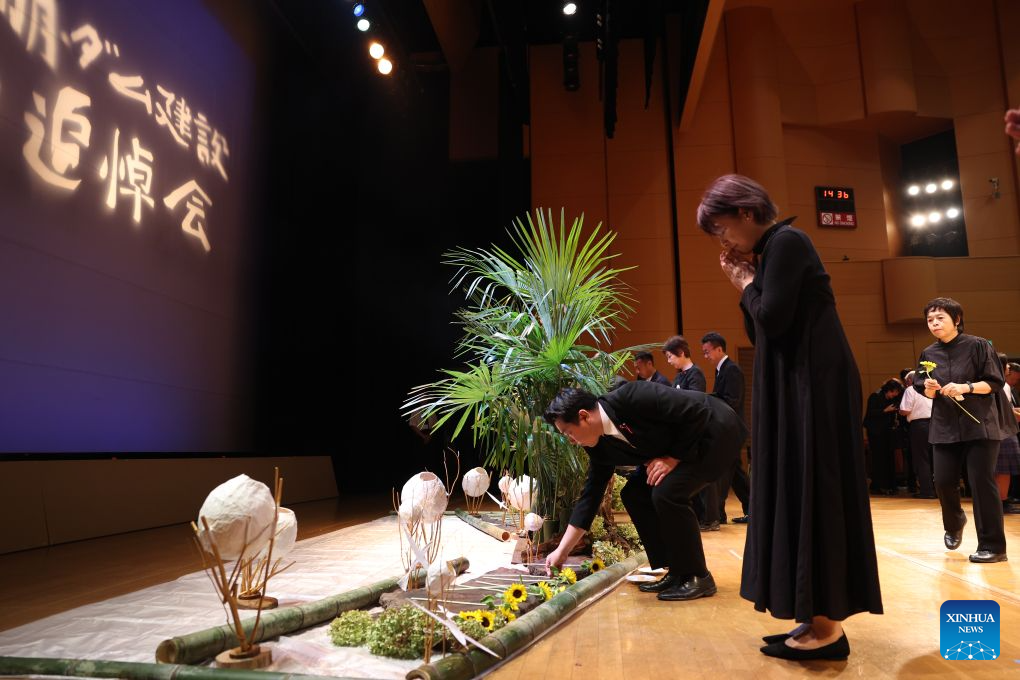
People lay flowers during a memorial ceremony commemorating Chinese, Korean Peninsula and other foreign laborers who died during the construction of the Sagami Lake reservoir, in Kanagawa Prefecture, Japan on July 26, 2026. More than 200 people, including officials from China, South Korea and Japan, as well as local residents, attended the annual event at the Sagamiko Exchange Center honoring those who lost their lives while working on the reservoir project.(Xinhua/Yue Chenxing)