From teenagers making friends through training to a 72-year-old who has practiced taijiquan for 26 years, wushu has become part of everyday life for people of different ages across Hungary. The national championships brought together 150 athletes from around 30 clubs, with many competing alongside family members. As Budapest prepares to host next year's European Championships, the sport's close-knit community continues to grow.
by sportswriter Zhou Xin
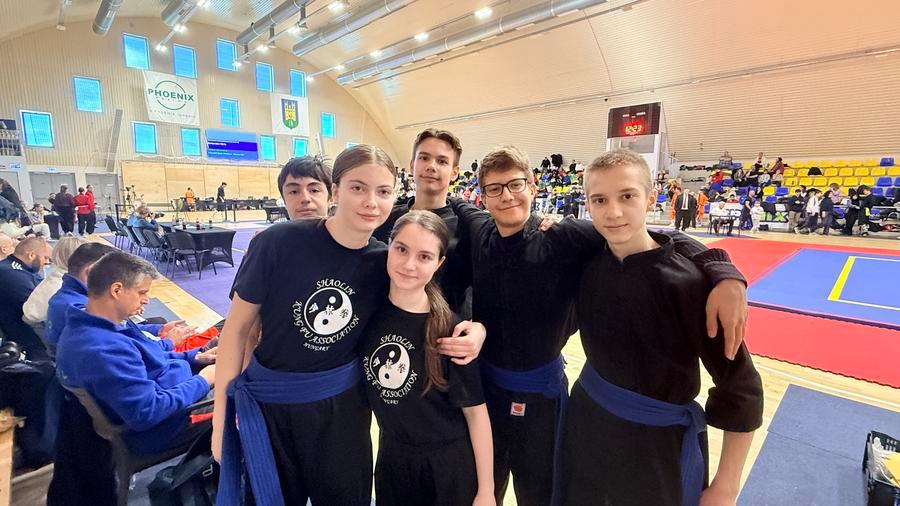
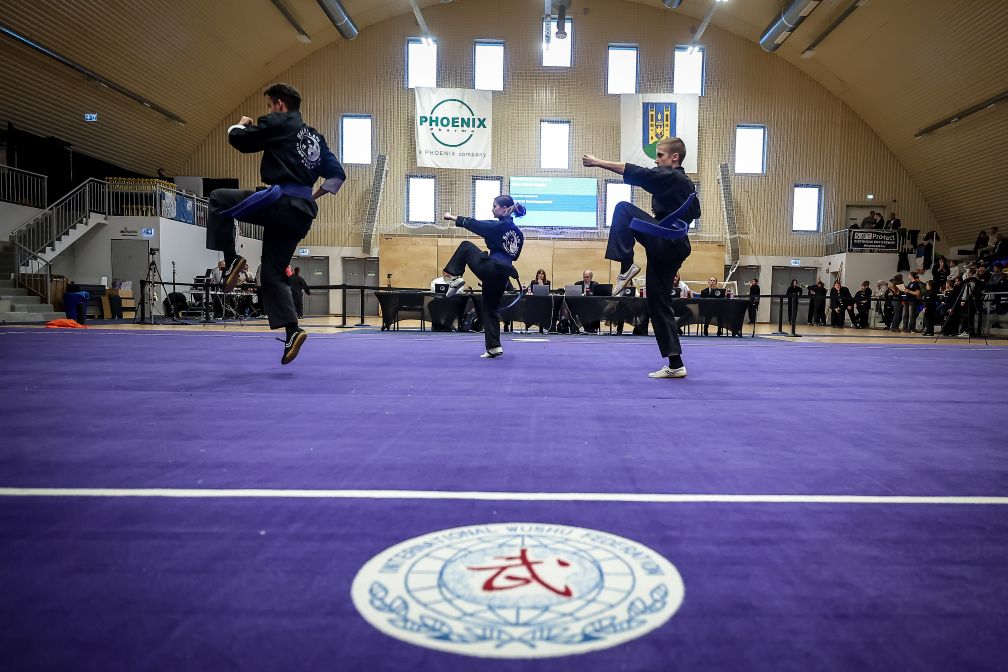
BUDAPEST, Nov. 22 (Xinhua) -- At the Hungarian National Wushu Championships on Saturday, six teenagers in black uniforms spoke about what they had gained from the sport: discipline, friends and a reason to keep coming back.
Vada Sandra, 16, was the most outgoing of the group, eagerly introducing fellow athletes, including a shy 14-year-old training partner.
"I started practicing wushu because I was interested in China, Chinese culture and the sport itself," Vada said.
Vada took up wushu in Budapest four years ago and found coaches and training partners who offered encouragement to keep going.
Marton Gaspar, 15, has practiced wushu for seven years and particularly enjoys routines with long weapons.
"It's a very kind and friendly community," he said, noting the range of disciplines, from sanda, a form of full-contact fighting, to weapons routines.
Fourteen-year-old Mona Yamin discovered wushu online five years ago and was quickly drawn to the sport.
"Wushu has taught me self-discipline and fighting skills, but most importantly, it has brought me friends," Mona said.
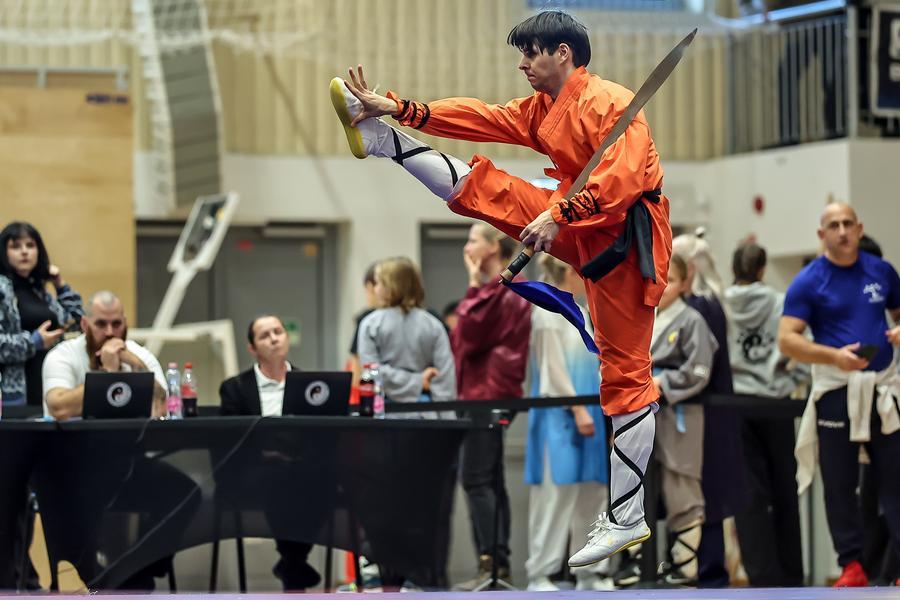
With the European Wushu Championships coming to Budapest next year, the teenagers had different expectations.
"I hope I can qualify. I'm not sure, but I would really like to," Mona said.
Marton said he had yet to reach the level needed to compete.
The national championships drew 150 athletes from around 30 Hungarian clubs. Only the top four in each category qualified for the season-ending finals, based on points earned throughout the year.
Istvan Varga, president of the Hungarian Wushu Federation, described the finalists as "the best of the best."
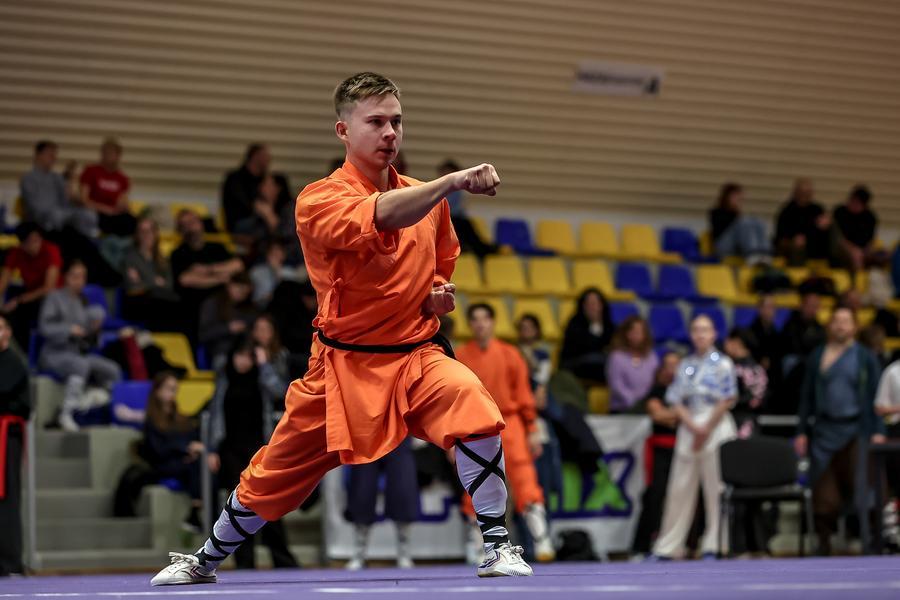
For 16-year-old Bethany Chenga, wushu is a family affair.
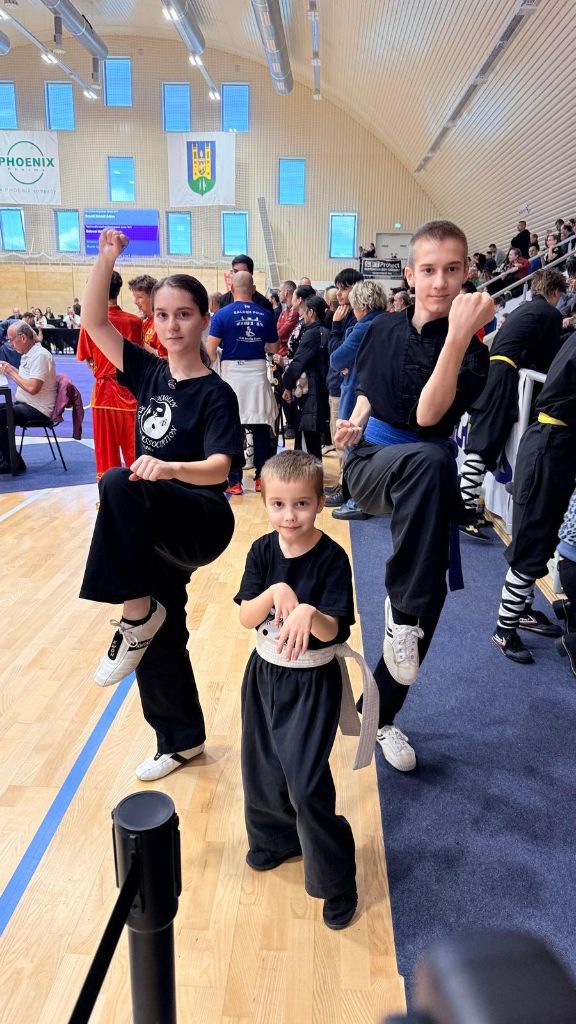
Bethany and her 14-year-old brother Miklos have practiced wushu for eight or nine years. Their youngest brother began training at four and, at six, was the youngest competitor at the championships.
Bethany favors routines with short weapons, while her brothers prefer sanda. The three train three times a week and run three times a week.
"We started before my father. He joined us later," Bethany said.
Five-time European champion Maria Arutyunyan also competed alongside her two daughters. Her eldest daughter helped organize the event, while Arutyunyan's husband coached athletes from their club.
Next year's European championships are expected to draw around 700 athletes from some 30 countries and regions.
Organizers also plan wushu workshops, tea ceremonies and Chinese calligraphy activities to introduce visitors to other aspects of Chinese culture.
"Wushu is only one part of traditional Chinese culture," Varga said.
The sport offers different rewards for Gabor Kardos, who at 72 was the oldest competitor at the national championships.
He began practicing taijiquan in 2000 to cope with stress. Twenty-six years later, it remains part of his daily life.
"I still do physical work, and practicing taiji helps me relax," he said. ■