by sportswriters Xiao Shiyao, Gong Bing and Jiao Ziqi
BEIJING, Nov. 23 (Xinhua) -- China is seeking to transform its youth football development system by encouraging technical skills, attacking play and greater creativity under a new national framework, Chinese Football Association technical director Chris Van Puyvelde told Xinhua.
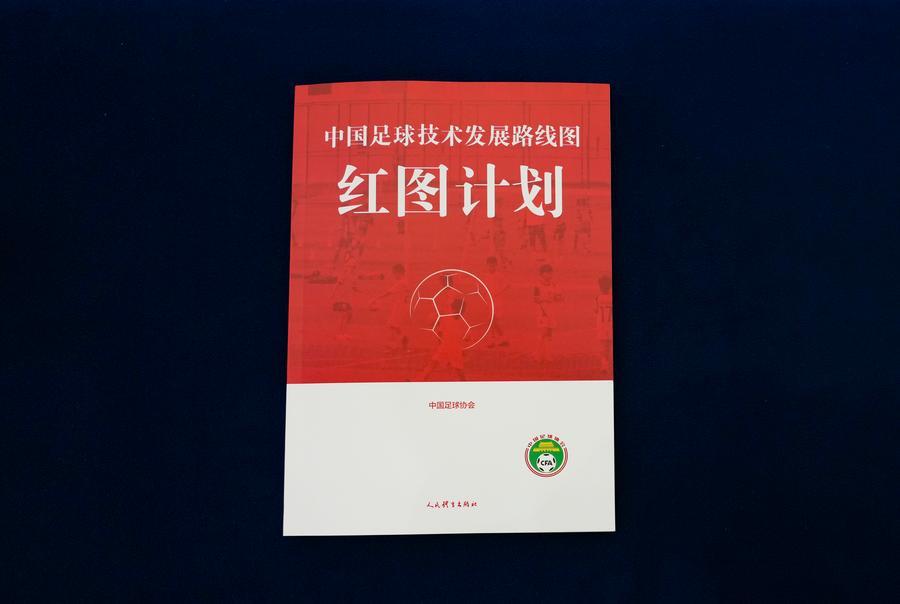
The CFA unveiled its "Red Print" on Monday, outlining a unified approach to youth development that covers playing philosophy, training methods, coaching education and talent identification across the country.
Van Puyvelde, the initiative's principal author, said the framework draws on international experience but is tailored to China's football environment, with an emphasis on developing players from an early age rather than pursuing immediate results.
"Chinese players need to dare to play modern, technical football," said the Belgian, who returned for a second spell as CFA technical director in January after previously holding the position from late 2018 to June 2022.
He argued that China's football development must move beyond heavy investment and short-term ambitions, with greater attention paid to grassroots coaching and nurturing players from as young as four to six.
"I chose to return to China because I believe China is the future. I see enormous potential here," he said.

The "Red Print" is built around five pillars: technical skills, tactics, physical fitness, psychological and emotional development, and culture.
Van Puyvelde said the cultural component was particularly important in developing a distinctive Chinese football identity rather than simply replicating successful systems from other countries.
"We need to learn from the best and develop our own identity," he said.
The framework advocates a modern, attacking style built around high pressing, combination play, breaking defensive lines and moving the ball forward, with training methods adapted to different age groups.
However, Van Puyvelde acknowledged that changing established habits would be a major challenge, particularly when young players are reluctant to take risks for fear of making mistakes.
He said youth coaching should prioritize individual technique, creativity and decision-making rather than conservative tactics aimed primarily at winning matches.
Coaches should also give players greater freedom to make decisions on the pitch instead of constantly directing their movements from the sidelines, he added.
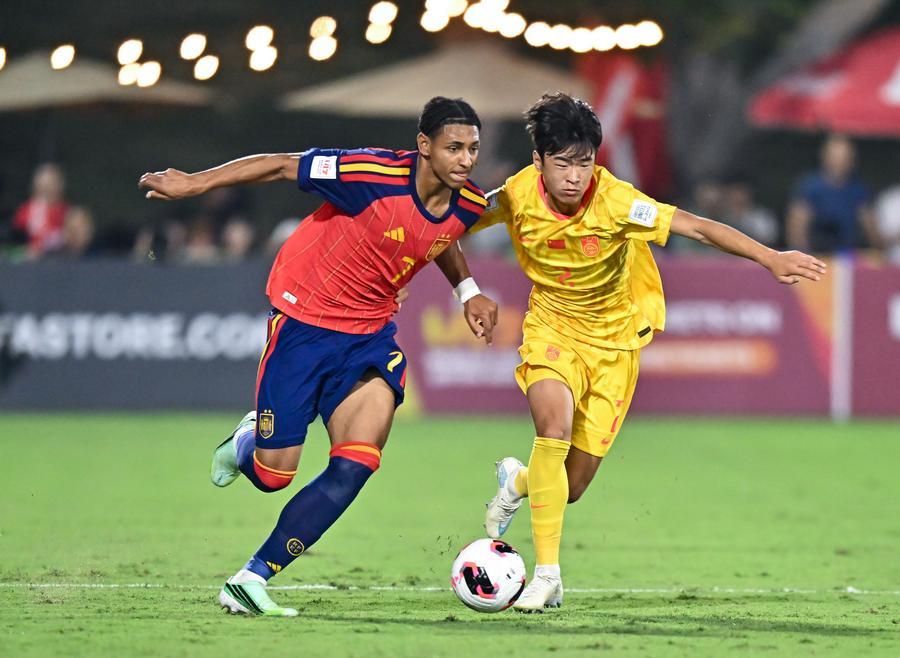
The framework calls for a gradual progression from small-sided games, including one-on-one, five-a-side and eight-a-side formats, to full 11-a-side football as players develop.
Van Puyvelde stressed that the initiative's success would depend on how effectively its principles were implemented rather than simply publishing a set of guidelines.
He called for the philosophy to be incorporated into everyday training sessions, coaching courses and match analysis, supported by video footage and social media resources.
Improving coaching standards will be another priority, with greater emphasis on player-centered approaches that encourage young footballers to express themselves without fear of criticism or intimidation.
The CFA also plans to establish a model youth development center combining academic education, high-level training, natural-grass pitches and coaches working under a shared philosophy, with the aim of replicating the approach nationwide.
Other proposed measures include a national scouting network, improved youth competitions, rules designed to encourage attacking football and greater support for players seeking opportunities overseas, including language and cultural preparation.
Van Puyvelde, who has also served as technical director of the Belgian and Moroccan football federations, said China possessed the resources and potential to make significant progress, provided it remained committed to long-term development.
"Chinese are fast learners. China has achieved national development through long-term planning. Looking at China's development, Chinese football can do it too," he said.
However, he warned against expecting immediate success, arguing that defeats and setbacks should be treated as essential parts of developing young players.
"Don't expect overnight transformation. Accept losses, because there is a lot to learn from failure. Keep following the path of development, and good results will naturally come." ■