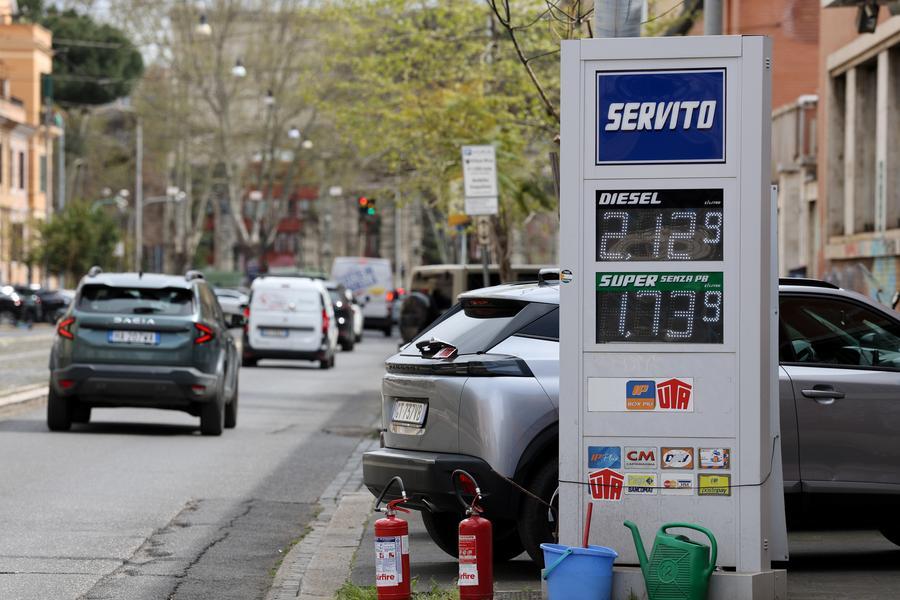
Analysts warn that if tensions in the Middle East persist, energy price volatility could intensify further and feed into inflation, industrial costs, and household energy bills, posing additional challenges to Europe's economic recovery.
LONDON, April 2 (Xinhua) - Mideast tensions pushed European energy prices higher in early trading on Thursday as market concerns over potential supply disruptions intensified following remarks by U.S. President Donald Trump on the Iran situation.
Brent crude futures rose more than 7 percent, climbing back above 100 U.S. dollars per barrel and approaching 110 dollars. U.S. benchmark West Texas Intermediate (WTI) crude gained over 8 percent, surpassing 100 dollars and rising above 108 dollars per barrel.
Meanwhile, safe-haven assets showed mixed performance. International gold prices fell more than 3 percent to around 4,530 dollars per ounce, ending a four-day streak of gains.
Market analysts said Trump, in a rare prime-time address, offered no clear timeline for ending the conflict and warned that military operations could intensify over the next two to three weeks. The remarks dampened expectations for a near-term de-escalation and pushed up geopolitical risk premiums. Iran, for its part, denied seeking a ceasefire and reiterated that the Strait of Hormuz remains under its control.
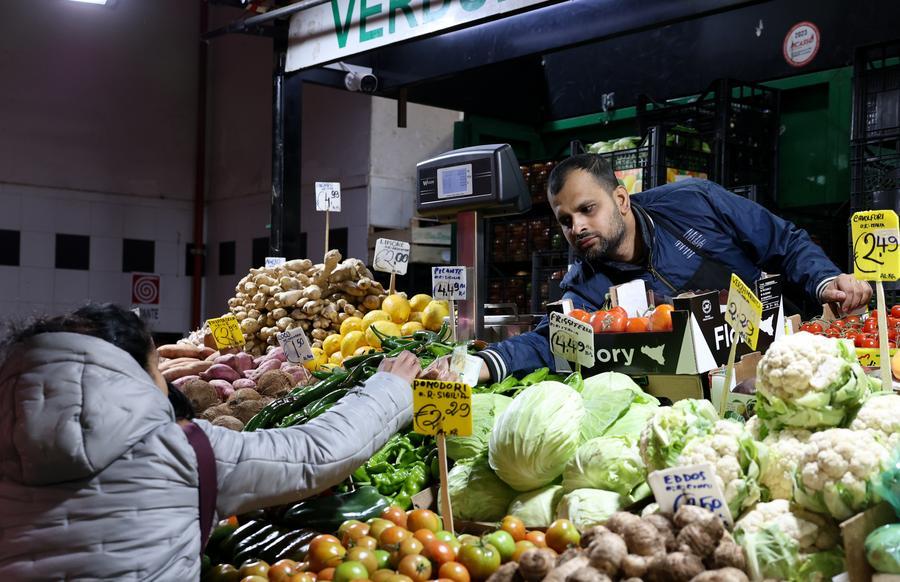
European natural gas prices also rebounded. Benchmark Dutch TTF futures rose to 49.6 euros (about 53.7 U.S. dollars) per megawatt-hour, recovering from a more than three-week low. Although warmer weather and increased renewable power generation helped ease demand, supply uncertainties driven by geopolitical tensions continued to support elevated price levels.
Europe's energy security concerns have resurfaced. Gas storage levels in the region currently stand at around 28 percent, highlighting vulnerabilities amid intensifying competition with Asia for liquefied natural gas supplies. European Union officials have urged member states to prepare for prolonged disruptions and are considering reinstating emergency measures used during the 2022 energy crisis.
Analysts warn that if tensions in the Middle East persist, energy price volatility could intensify further and feed into inflation, industrial costs, and household energy bills, posing additional challenges to Europe's economic recovery. ■